1. Introduction
Scrap metal recycling yards mainly process four mainstream materials: scrap steel, scrap iron, aluminum profiles, and steel rebar. These metals differ greatly in hardness, thickness, toughness and structural characteristics. Many recyclers use unified shearing methods for all materials, resulting in low cutting speed, unflat incision, blade damage, material jamming and low daily output.
2. Core Differences of Four Common Recycled Metals
The key to efficient shearing is to adapt operation logic according to metal physical properties. Hardness, toughness and wall thickness directly determine shearing difficulty and operation mode.
|
Material Type |
Hardness |
Toughness Feature |
Main Shearing Difficulty |
|---|---|---|---|
|
Scrap Steel |
High |
Hard and rigid |
High cutting resistance, easy to wear blades |
|
Scrap Iron |
Medium |
Brittle |
Easy to crack and splash, uneven incision |
|
Aluminum Material |
Low |
Strong toughness, soft |
Easy to stick knife, burrs and stretching deformation |
|
Steel Rebar |
Very High |
Super tensile toughness |
Difficult to break, easy to rebound and jam |
3.Targeted Efficient Shearing Method for Each Material
3.1 Scrap Steel Shearing Skills (Channel Steel, Angle Steel, Steel Pipe, Steel Plate)
Shearing Difficulties: Scrap steel has high hardness and strong compression resistance. Thick steel plates and profiles bring huge instantaneous cutting resistance, easily causing blade wear and slight machine jitter during long-time processing.
Efficient Operation Method: Place flat steel plates and profiles horizontally close to the blade root for cutting. The blade root has the largest hydraulic torque, which can complete one-time flat shearing without secondary cutting. For hollow steel pipes, avoid single-point stress cutting; place the pipe body flat to prevent pipe deformation and unclosed incision.
Optimization Tips: Do not stack multiple thick steel materials for one cutting. Single-piece feeding ensures flat incision and stable machine load, reducing blade loss.
3.2 Scrap Iron Shearing Skills (Scrap Iron Sheet, Cast Iron, Thin Iron Material)
Shearing Difficulties: Scrap iron is brittle with poor ductility. It is prone to edge collapse, metal splashing and irregular broken openings during high-pressure shearing, affecting finished material uniformity.
Efficient Operation Method: Adopt fast one-stroke shearing. Do not pause the blade during cutting process. For thin iron sheets, stack 3-5 pieces reasonably for batch shearing to improve efficiency without deformation. For thick cast iron parts, fix the material position to avoid offset shaking before cutting.
Optimization Tips: Install safety baffles in place to prevent brittle iron slag splashing; clean iron powder residue regularly to avoid affecting blade tightness.
3.3 Aluminum Material Shearing Skills (Aluminum Profile, Aluminum Pipe, Waste Aluminum Bar)
Shearing Difficulties: Aluminum is soft and highly tough. It is easy to produce stretching burrs, knife sticking and material deformation during shearing. The cut section is prone to wire drawing, which reduces the selling grade of recycled aluminum.
Efficient Operation Method: Use medium-speed stable cutting mode. Avoid ultra-fast shearing that causes tensile deformation of aluminum materials. Place aluminum profiles vertically against the positioning baffle to ensure straight cutting. Clean blade surface frequently to prevent residual aluminum scraps from accumulating and forming hard attachments.
Optimization Tips: Separate aluminum materials from steel and iron materials for independent processing. Mixed shearing will cause hard steel scraps to scratch aluminum incision and affect surface flatness.
3.4 Steel Rebar Shearing Skills (Deformed Rebar, Round Steel Bar)
Shearing Difficulties: Rebar has ultra-high tensile strength and internal structural toughness. It is the most difficult-to-cut conventional recycled metal. Improper operation easily causes material rebound, tooth skipping and blade clamping, seriously affecting production efficiency.
Efficient Operation Method: Align the rebar with the middle of the blade opening, avoid cutting at the blade edge with insufficient torque. For multiple thin rebars, arrange them neatly and cut in groups; for thick single rebar, reduce feeding speed and maintain stable hydraulic pressure output.
Optimization Tips: Never cut ultra-thick rebar beyond machine tonnage. Overload cutting will cause permanent deformation of the cutter head and oil cylinder pressure loss.
4. 4 Universal Rules to Improve Overall Shearing Efficiency

Aiming at all types of metal materials, standardized pre-operation processing can comprehensively increase output and reduce failure rate:
Material Classification First: Hard materials (steel, rebar) and soft materials (aluminum, thin iron) are processed in batches separately to avoid alternating load changes leading to unstable hydraulic pressure.
Unified Positioning Feeding: All long-strip metals are close to the blade root for cutting, making full use of maximum hydraulic torque to reduce cutting difficulty.
Prohibit Overload Stacking: Strictly control feeding quantity according to machine tonnage; overload cutting is the main cause of blade damage and oil leakage.
Timely Residue Cleaning: Clean metal burrs, iron powder and aluminum scraps on the cutter head every day to ensure blade tight closure and flat incision.
5. Common Shearing Mistakes & Solutions
|
Wrong Operation |
Result |
Correct Solution |
|---|---|---|
|
Mixed cutting of steel and aluminum |
Aluminum incision burrs, blade abrasive wear |
Classify materials and process separately |
|
Rebar edge cutting |
Rebar rebound, incomplete cutting |
Align rebar with blade middle position |
|
Over-stacking thin iron sheets |
Material displacement, uneven cutting |
Control reasonable stacking quantity |
|
Long-term fast cutting for aluminum |
Aluminum stretching deformation, low material grade |
Adopt medium-speed stable shearing |
6. Conclusion
The core of efficient alligator shear operation is classified processing based on metal hardness and toughness. Scrap steel focuses on stable high-torque cutting, scrap iron focuses on preventing splashing and collapse edge, aluminum materials focus on reducing burr deformation, and rebar focuses on anti-rebound and accurate positioning.
By matching exclusive shearing methods for different materials, standardizing feeding positions and batch processing logic, recycling plants can significantly improve daily shearing output, keep neat cutting sections of finished metals, reduce blade replacement frequency and equipment failure downtime, and finally realize high-efficiency and high-benefit scrap metal pretreatment.
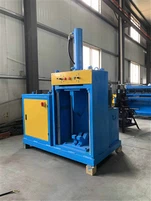
Below are high-performance, cost-effective hydraulic alligator shears manufactured by RJ Machinery for your reference.

|
Technical Specifications |
||||
|
Max Cutting Force |
60KN |
|||
|
Blade Length |
300MM |
|||
|
Max Cutting Blade Opening |
160MM |
|||
|
Hydraulic Working System Pressure |
12MPA |
|||
|
Shearing times per minutes |
7-8times/min |
|||
|
Height of working table |
800MM |
|||
|
Oil pump |
Model |
C5-5 |
Nominal Pressure |
20MPA |
|
Nominal Outflow |
5.2m/r |
Quantity |
1SET |
|
|
Motor |
Model |
Y100L2-4 |
Power |
3KW |
|
Nominal Speed |
1440RPM |
Quantity |
1SET |
|
|
Machine Dimension |
1100*980*800 (MM) |
|||

|
Name |
E-AS250 heavy duty alligator shearing machine |
|
Pressure |
250KN |
|
Blades Length |
300MM |
|
Max open range |
150MM |
|
Original country |
China |
|
Weight |
600KG |

|
No. |
Projects |
Units |
Quantity |
|
1 |
Maximum Shear Capability |
KN |
630 |
|
2 |
Maximum Pressure Capability |
KN |
120 |
|
3 |
Maximum Cutting Blade Opening |
MM |
300 |
|
4 |
Length of Cutting Blade |
MM |
600 |
|
5 |
Shearing times of per minutes |
times/min |
9-16 |
|
6 |
System Work Pressure |
Mpa |
21 |
|
7 |
Motor |
Model |
Y132M-4 |
|
Power |
7.5KW |
||
|
8 |
Oil pump |
Model |
40YCY14-1B |
|
displacement |
40ml/r |
||
|
9 |
Size of Sheared material (mm) |
Round Steel |
Ø 30 |
|
Square Steel |
25*25 |
||
|
Steel Angle |
40*40*4 (three pcs) |
||
|
Steel Channel |
100*43*5.5 |
||
|
Plate |
14*100 |

If you have any questions, such as "How do I choose equipment for my new recycling plant, and which model should I choose?", "How long does it take to customize a machine?", or "Is the export customs clearance process complicated?", please feel free to contact us. We will recommend the most suitable model based on your specific business needs, site size, and budget, and provide one-on-one customized solutions to help you "turn waste into treasure" and easily generate profits!
Contact information
Contact name: Jonathan Lee
Email: sales01@rjrecyclingequipment.com
Cell phone: +86 183 9200 1872
Whatsapp: +86 183 9200 1872