


1. Introduction
Based on the stator recycling machine industry knowledge explained in Blog 1: What Is a Motor Stator Recycling Machine, this article focuses on practical high-efficiency copper removal processes. We classify different motor types, sort out standardized dismantling workflows, distinguish low-value wrong operations from high-profit professional processes, and teach recyclers how to maximize copper output, maintain intact steel sheets, and reduce loss during daily motor copper stripping production.
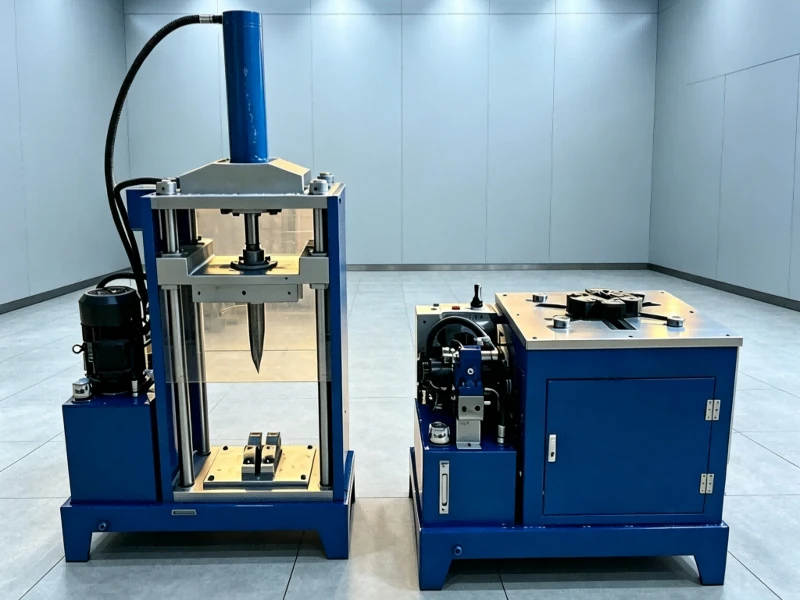
2. Why Conventional Copper Removal Methods Cause Hidden Profit Loss
Most grassroots recycling yards still use outdated dismantling methods. Although the operation is simple, these methods lead to irreversible copper loss, material depreciation and compliance risks:
Open burning for glue removal: Burning insulating varnish produces toxic VOC flue gas that violates environmental regulations; high-temperature oxidation darkens copper surface, reducing copper grade and market selling price by 3%–8%.
Blind hammering and manual prying: Forced prying breaks copper wires into small segments. Fine copper scraps mix with steel chips and dust, resulting in an actual recovery rate below 88%.
Full crushing and powder sorting: Universal metal shredder processing causes severe copper wire fragmentation. Although the sorting rate is high in data, fine copper powder cannot be sold as bulk copper coils, resulting in low unit price.
Single-process dismantling for all motors: Using the same method for water pumps, appliance motors and automobile motors leads to incomplete copper removal or damaged silicon steel sheets, wasting dual-resource value.
Core conclusion: High-efficiency copper removal is not about dismantling faster, but about retaining complete copper + intact silicon steel sheets + zero pollution.
3. Classification of Common Copper-Bearing Materials (Motor & Pump Types)
Different structural designs determine the optimal copper removal process. Before production, recyclers must classify materials to match the correct dismantling solution:
|
Material Type |
Structural Features |
Copper Content Feature |
Recommended Dismantling Mode |
|---|---|---|---|
|
Household Appliance Motor (Fan / Washer / Aircon) |
Small outer diameter, thin wire, closed stator groove |
Low copper ratio, easy wire breakage |
Small hydraulic stator pulling machine |
|
Water Pump Motor (Submersible / Sewage Pump) |
Encapsulated winding, waterproof glue filling, dense coil |
High copper purity, difficult manual stripping |
Pre-cutting + heavy-duty copper pulling machine |
|
Automotive Motor (Starter / Generator) |
Irregular shape, concentrated coil position |
High unit copper value, easy rebound |
Positioning fixture + customized pulling stroke |
|
Industrial Asynchronous Motor |
Large size, thick copper wire, open groove design |
Highest total copper weight |
Large horizontal stator dismantling line |
4. Standard High-Efficiency Copper Removal Workflow (Universal for All Motors)
This standardized 5-step process is suitable for 95% of scrap motors and water pumps. It avoids burning and breaking, achieving the highest comprehensive profit:
Pre-Sorting & Shell Removal
Remove motor end covers, bearings, rotors and aluminum outer shells;
Only retain the bare stator core as processing material;
Sort stators by outer diameter to avoid frequent fixture adjustment during machine operation.
End Face Fixed-Point Cutting (Key Step)
Place the stator on the hydraulic positioning base;
Use the dedicated cutting blade to horizontally cut one end of the copper coil;
Control cutting depth accurately to only cut copper wires, without scratching the inner wall of silicon steel sheets.
Hydraulic Integral Copper Pulling
The hydraulic jaw clamps the cut copper wire bundle firmly;
Low-speed and high-torque hydraulic cylinder pulls the entire coil out along the steel sheet groove;
Output complete, unbroken copper winding in one stroke.
Insulation Post-Treatment (No Burning)
Use low-temperature hot air drying or mechanical brushing to remove residual insulating varnish;
Avoid open fire to prevent copper oxidation and carbon attachment.
Classified Stockpiling
Stack bulk copper coils separately for premium pricing;
Collect flat intact silicon steel sheets for high-grade steel material sales.
5. Dedicated Optimization Tips for Water Pump & Special-Shaped Motors
Water pump motors are the most difficult material in daily dismantling due to waterproof glue encapsulation. The following optimization skills can greatly improve pulling success rate:
Glue pre-softening: Use constant-temperature hot air to heat the encapsulated stator for 3–5 minutes to soften waterproof glue, reducing pulling resistance without copper oxidation.
Double-end cutting process: For ultra-dense pump stators, cut both ends of the coil to reduce groove friction, preventing wire breakage during pulling.
Graded pulling speed: Start with low speed to break loose the coil, then switch to constant speed for full pulling, suitable for irregular automotive generator stators.
Groove opening auxiliary tool: For closed-slot small motors, use a thin hydraulic auxiliary opener to expand the steel sheet groove gap, effectively reducing wire jamming.


6. Machine-Assisted vs Manual Copper Removal Profit Comparison
The core advantage of high-efficiency copper removal lies in data-based profit improvement. The table below clearly shows the gap between standardized mechanical process and traditional manual operation:
|
Evaluation Item |
Manual Burning & Prying |
Professional Machine High-Efficiency Dismantling |
Profit Difference per Ton |
|---|---|---|---|
|
Copper Recovery Rate |
85%–89% |
99% Full integral copper |
+100–180 USD extra copper output |
|
Copper Surface Quality |
Oxidized & carbonized (discount grade) |
Bright original copper (premium grade) |
+2%–5% unit price premium |
|
Silicon Steel Sheet Value |
Deformed scrap steel (low price) |
Flat finished steel (resaleable) |
+30–50 USD iron profit |
|
Hourly Processing Capacity |
30–45 units/worker |
220–300 units/single operator |
6x production efficiency |
|
Environmental Risk |
High flue gas penalty risk |
Zero emission fully compliant |
Zero shutdown loss |
7. Common Misoperations to Avoid in Copper Removal Production
Even with professional equipment, wrong operation will still reduce yield. Summarized from thousands of recycling yard test cases, these misoperations must be avoided:
Over-cutting the stator end: Excessive cutting depth scratches the silicon steel inner wall, causing steel sheet deformation and value depreciation.
Pulling without sorting: Mixing super-small and large stators together leads to unstable clamping and frequent wire breakage.
Long-term overheating operation: Continuous high-load hydraulic operation causes oil temperature rise, reducing pulling force and damaging seals.
Retaining residual rotor iron: Unremoved rotor fragments increase stator weight, affecting cutting positioning accuracy.
Stacking copper with insulation residue: Uncleaned varnish residue reduces copper purity and lowers downstream purchasing price.
8. Conclusion
Efficient copper removal from scrap motors, water pumps and automotive motors does not rely on brute force or open burning, but on material classification + standardized process + dedicated hydraulic equipment. Classify motor types before processing, follow the 5-step universal dismantling workflow, and optimize parameters for encapsulated water pump stators. Recycling yards can achieve 99% copper recovery rate, obtain high-priced bright bulk copper and intact silicon steel sheets, and completely eliminate environmental compliance risks.
Cooperated with the stator recycling machine equipment knowledge in Blog 1, this process system helps recyclers change from low-efficiency manual dismantling to standardized mechanical production, realizing visible tonnage profit improvement in motor copper stripping business.

If you have any questions, such as "How do I choose equipment for my new recycling plant, and which model should I choose?", "How long does it take to customize a machine?", or "Is the export customs clearance process complicated?", please feel free to contact us. We will recommend the most suitable model based on your specific business needs, site size, and budget, and provide one-on-one customized solutions to help you "turn waste into treasure" and easily generate profits!
Contact information
Contact name: Jonathan Lee
Email: sales01@rjrecyclingequipment.com
Cell phone: +86 183 9200 1872
Whatsapp: +86 183 9200 1872