1. Introduction
Waste radiators are one of the highest-value mixed metal renewable resources in the global recycling industry, widely derived from scrapped automobiles, air conditioners, refrigerators, industrial cooling equipment and electrical machinery. Different from single pure metal scrap, waste radiators are composite structures mainly composed of copper tubes and aluminum fins, with additional iron frames, plastic buckles and dust impurities.
Copper and aluminum have huge price differences in the secondary metal market. Mixed copper-aluminum radiator materials are always priced at low-grade aluminum scrap, while completely separated pure copper and pure aluminum can be sold at premium market prices. For recycling yards, the core profit of radiator processing lies in high-purity physical separation of copper and aluminum.

2. Basic Industry Knowledge of Waste Radiator Recycling
To maximize recycling profits, recyclers must first master radiator classification, structural characteristics and market valuation rules. Different radiator types determine processing difficulty, separation purity and final profit margins.
2.1 Common Types of Waste Radiators
Air conditioner radiator: The most common material in the market, composed of thin aluminum fins and thick copper tubes, loose structure, large stock, suitable for large-scale batch processing.
Automobile water tank radiator: Compact and dense structure, with iron outer frame and waterproof dirt layer, high copper content, high unit value, difficult for manual separation.
Industrial equipment radiator: Thickened copper-aluminum structure, few impurities, high metal purity, the highest market unit price among all radiator materials.
Single aluminum radiator & single copper radiator: Pure single-metal radiators without mixed bonding, no need for separation, directly recycled as pure metal scrap.

2.2 Market Valuation Core Rule
The scrap metal industry has a fixed valuation standard for radiators: mixed copper-aluminum materials are calculated at aluminum price, while fully separated pure copper and pure aluminum are priced at respective high market prices. Unseparated mixed materials will lose 20%–40% of comprehensive profit due to metal mixing and impurity deduction, which is the core reason why professional separation processing is necessary.
3. Pain Points of Traditional Radiator Processing Methods
Most small and medium recycling yards still adopt backward processing methods, resulting in serious metal loss, low material grade and invisible profit loss. The main drawbacks of traditional processes are as follows:
Manual prying separation (low efficiency + high loss): Workers pry aluminum fins from copper tubes manually. The process is labor-intensive and time-consuming. A large amount of fine aluminum fragments and copper scraps are mixed and lost, with actual metal recovery rate lower than 85%.
Open burning separation (environmental risk + metal depreciation): Many yards burn radiators to remove connecting structures and dust. High-temperature oxidation causes copper and aluminum surface carbonization, reducing metal purity and transaction price; toxic flue gas also leads to environmental inspection penalties and production shutdown risks.
Simple crushing without sorting: Ordinary universal shredders break radiators into mixed particles. Copper, aluminum and impurities are completely mixed, unable to achieve effective separation, and the finished materials can only be sold at low mixed scrap prices.
Unfinished separation processing: Incomplete manual separation leaves residual aluminum on copper tubes and copper residues on aluminum fins. Downstream buyers will deduct weight and depreciate prices severely, compressing overall profit margins.
4. Comprehensive Comparison: Traditional Processing vs Modern Mechanical Separation
To help recyclers intuitively understand the fundamental gaps between backward processing methods and professional radiator recycling technology, the following table compares core indicators including recovery rate, material quality, cost, profit and operational risk:
|
Comparison Dimension |
Traditional Manual/Burning Processing |
Modern Mechanical Copper-Aluminum Separation |
Actual Benefit for Recycling Yards |
|---|---|---|---|
|
Copper & Aluminum Recovery Rate |
80%–85%, serious fine metal loss |
≥99%, almost zero metal residue loss |
Obtain 15% more metal output per ton of raw materials |
|
Finished Material Purity |
Mixed copper-aluminum, oxidized & carbonized, many impurities |
Pure copper & pure aluminum, no oxidation, no mixing |
Enjoy smelter premium pricing, no weight deduction |
|
Processing Efficiency |
Low output, heavily labor-dependent, unable for mass production |
Fully automatic continuous batch processing, high hourly output |
Support large stock processing and bulk order delivery |
|
Labor Cost |
Multiple skilled workers required, high long-term labor expenditure |
1–2 people for auxiliary inspection, minimal labor investment |
Save 70%+ monthly labor operating costs |
|
Environmental Risk |
Open burning produces toxic flue gas, high penalty & shutdown risk |
Pure physical separation, zero pollution, fully environmentally compliant |
Stable long-term factory operation without inspection risks |
|
Comprehensive Profit per Ton |
Low profit, calculated by mixed aluminum scrap price |
Dual high-value output of pure copper and pure aluminum |
30%–50% profit increase per ton of radiator materials |
|
Processing Stability |
Unstable manual quality, inconsistent separation effect |
Standardized mechanical operation, stable material quality |
Convenient for long-term fixed customer cooperation |
5. Core Copper & Aluminum Separation Principle of Modern Radiator Recycling
Professional radiator recycling equipment adopts pure physical mechanical separation technology, no burning, no chemical pollution, relying on the physical property differences between copper and aluminum to achieve precise sorting. The core separation principles are divided into structural stripping principle and density sorting principle.
5.1 Structural Mechanical Stripping Principle
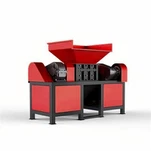
Copper tubes and aluminum fins are physically bonded instead of integrally fused. The aluminum fins are thin and fragile, while copper tubes have high hardness and toughness. The radiator crusher uses high-speed cutting, squeezing and tearing force to strip dense aluminum fins from copper tube surfaces in all directions. This process completely separates the two structures without damaging the integrity of copper tubes and aluminum particles, realizing primary structural separation.
5.2 Specific Gravity Density Sorting Principle
Copper and aluminum have obvious density differences: the density of copper is 8.9g/cm³, while aluminum is only 2.7g/cm³. After primary stripping, the mixed copper and aluminum particles enter the specific gravity sorting system. Through adjustable wind pressure and vibration frequency, light aluminum materials are screened out by wind force, and heavy copper materials are settled and screened by vibration. Finally, 100% pure copper particles and pure aluminum particles are output respectively.
5.3 Impurity Removal & Purification Principle
Matching with dust removal and magnetic separation modules, the system removes iron frames, plastic fragments, dust and varnish impurities mixed in radiators. Magnetic separators adsorb iron impurities, and dust collectors absorb floating dust and tiny debris, ensuring that the final copper and aluminum finished materials have high purity and meet downstream smelter premium standards.

7. Industry Profit Logic of Professional Radiator Recycling
The core profit growth point of modern radiator recycling is not increasing processing volume, but changing the material pricing model. Traditional processing can only obtain low mixed material profits, while mechanical separation realizes secondary value appreciation of resources:
Mixed copper-aluminum radiator materials are uniformly priced as low-value aluminum scrap in the market. After professional mechanical separation, recyclers can obtain two independent high-value commodities: high-purity copper and high-purity aluminum. The pure copper part alone can increase the comprehensive profit per ton by 30%–50%, bringing huge profit margin improvement for recycling enterprises.
In addition, standardized high-purity copper and aluminum finished materials are more competitive in long-term cooperation with downstream manufacturers, helping recyclers stabilize customer resources and form sustainable profitable production capacity.
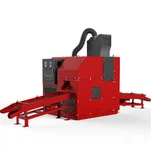
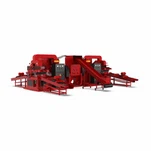
we show the on-site trial operation of our radiator separator machine for our customer. This equipment adopts full physical separation technology, no burning and no chemical pollution, which can efficiently separate copper tubes and aluminum fins from waste air conditioner, auto water tank radiators with ultra-high metal purity. Welcome to contact us for machine test and factory visit!
8. Conclusion
Waste radiator recycling is a high-margin track in the secondary metal industry, but profits are always hidden behind professional separation technology. Traditional manual prying and open burning methods lead to metal loss, material depreciation and compliance risks, restricting the development of recycling yards.
Based on the physical differences of copper and aluminum, modern pure physical separation technology realizes efficient stripping, precise sorting and impurity purification of radiator materials, maximizing metal recovery rate and material grade. Mastering the industry knowledge and separation principles in this blog is the first step for recyclers to upgrade radiator processing and achieve profit breakthroughs. Subsequent blogs will continue to explain equipment model selection, processing workflows, line configuration and profit comparison methods.
If you have any questions, such as "How do I choose equipment for my new recycling plant, and which model should I choose?", "How long does it take to customize a machine?", or "Is the export customs clearance process complicated?", please feel free to contact us. We will recommend the most suitable model based on your specific business needs, site size, and budget, and provide one-on-one customized solutions to help you "turn waste into treasure" and easily generate profits!
Contact information
Contact name: Jonathan Lee
Email: sales01@rjrecyclingequipment.com
Cell phone: +86 183 9200 1872
Whatsapp: +86 183 9200 1872