


As a supplier of Stripmaster wire stripping machines, I often get asked about the types of cutting blades used in these machines. The choice of cutting blades is crucial as it directly impacts the efficiency, precision, and quality of wire stripping operations. In this blog post, I'll delve into the different kinds of cutting blades used in Stripmaster wire stripping machines and their unique features.
1. Carbide Blades
Carbide blades are a popular choice for Stripmaster wire stripping machines, especially when dealing with tough and abrasive wires. Carbide is an extremely hard and wear - resistant material, which means these blades can maintain their sharpness for a long time. This is particularly important in high - volume production environments where the machine is in constant use.
One of the key advantages of carbide blades is their ability to cut through wires with thick insulation or armored cables. For example, in the 918 - E - 1 Large Armored Cable Stripper, carbide blades are used to strip the tough outer layers of large armored cables. These blades can withstand the high forces exerted during the stripping process without dulling quickly, ensuring consistent performance over an extended period.
However, carbide blades also have some limitations. They are relatively expensive compared to other blade materials, and they can be brittle. If the blade is subjected to excessive force or impact, it may chip or break. Therefore, proper handling and maintenance are essential when using carbide blades in Stripmaster wire stripping machines.
2. High - Speed Steel (HSS) Blades
High - speed steel blades are another common option for Stripmaster wire stripping machines. HSS is a type of tool steel that can maintain its hardness at high temperatures, making it suitable for high - speed cutting operations. These blades are known for their good balance of hardness, toughness, and wear resistance.
HSS blades are often used in general - purpose wire stripping applications. They can handle a wide range of wire sizes and insulation materials, from thin - gauge wires to medium - sized cables. For instance, in the E - 120 Wire Stripper, HSS blades are used to provide reliable and efficient stripping performance for various types of wires.
One of the benefits of HSS blades is their relatively low cost compared to carbide blades. They are also easier to sharpen, which can help reduce operating costs in the long run. However, HSS blades may not be as wear - resistant as carbide blades, especially when stripping very hard or abrasive wires. Over time, the cutting edge of HSS blades may wear down, requiring more frequent sharpening or replacement.
3. Ceramic Blades
Ceramic blades are a more specialized option for Stripmaster wire stripping machines. Ceramic materials are extremely hard and have excellent chemical resistance, which makes them ideal for stripping wires with special insulation materials or in corrosive environments.
Ceramic blades offer a very sharp cutting edge, which can result in clean and precise cuts. They are also less likely to contaminate the wire during the stripping process, making them suitable for applications where wire purity is critical, such as in the electronics industry.
In the E - W40 Wire Stripping Machine, ceramic blades can be used for stripping fine - gauge wires with delicate insulation. The sharpness of the ceramic blades allows for accurate stripping without damaging the underlying wire.
However, ceramic blades are very brittle and can break easily if mishandled. They are also more expensive than HSS blades and require careful installation and adjustment to ensure proper performance.
4. Diamond - Coated Blades
Diamond - coated blades are the most advanced type of cutting blades used in Stripmaster wire stripping machines. Diamond is the hardest known material, and diamond - coated blades offer exceptional wear resistance and cutting performance.

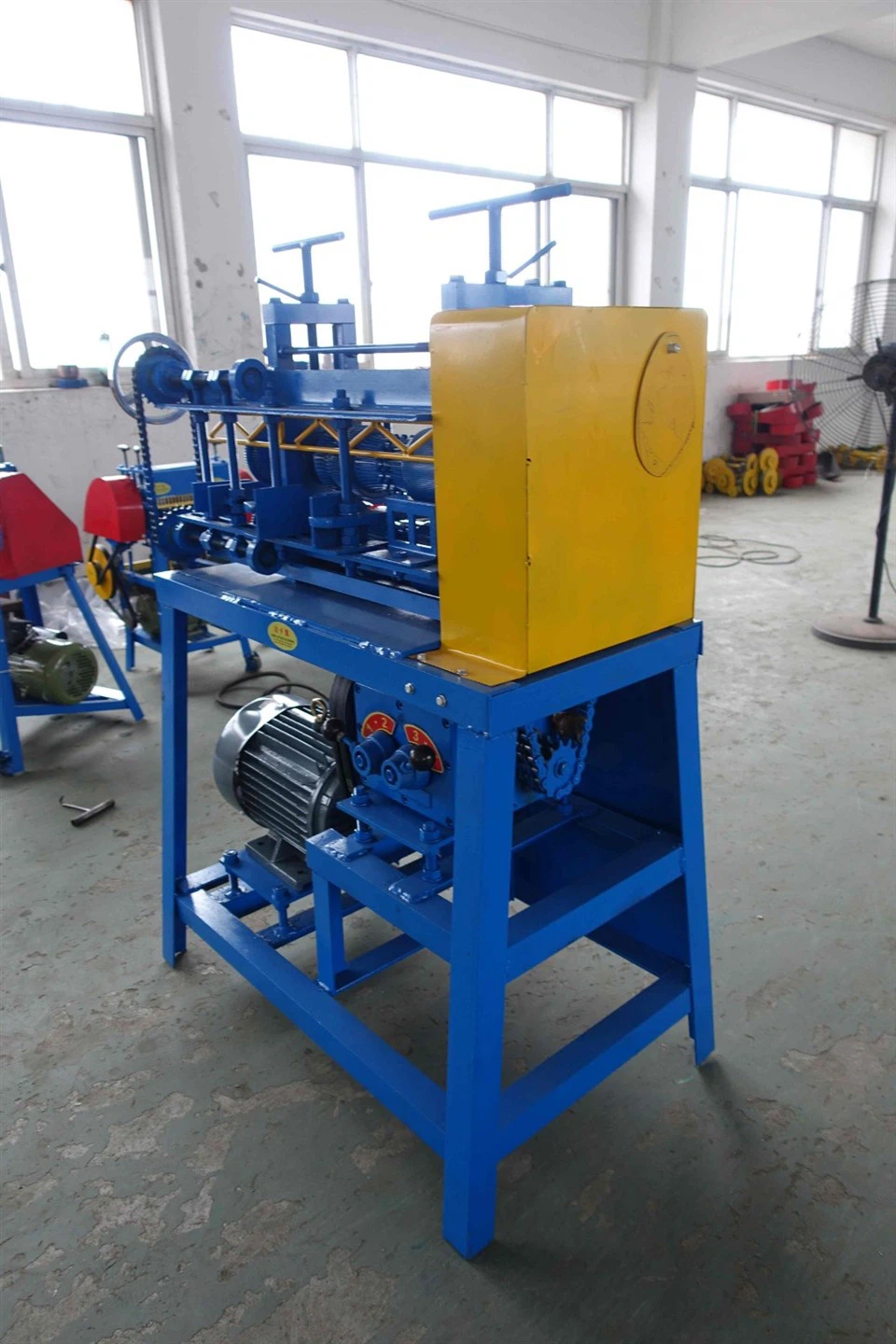
These blades are typically used for stripping extremely hard or abrasive wires, such as those with a high - strength steel core or a thick layer of ceramic insulation. The diamond coating provides a long - lasting cutting edge that can maintain its sharpness even after extended use.
Diamond - coated blades are also suitable for precision stripping applications where the highest level of accuracy is required. However, they are very expensive and are usually reserved for specialized applications where the benefits outweigh the cost.
Factors to Consider When Choosing Cutting Blades
When selecting the appropriate cutting blades for a Stripmaster wire stripping machine, several factors need to be considered:
- Wire Material and Insulation: The type of wire material and insulation will determine the hardness and abrasiveness of the stripping task. For example, if you are stripping copper wires with a soft PVC insulation, HSS blades may be sufficient. But if you are dealing with steel - reinforced cables or wires with a ceramic insulation, carbide or diamond - coated blades may be necessary.
- Wire Size: Different blade sizes and geometries are required for different wire sizes. Larger wires may require blades with a wider cutting edge, while smaller wires need more precise and delicate blades.
- Production Volume: In high - volume production environments, blades with good wear resistance, such as carbide or diamond - coated blades, are preferred to minimize downtime for blade replacement and sharpening.
- Cost: The cost of the blades is an important consideration, especially for small - scale operations or applications with a limited budget. HSS blades are generally the most cost - effective option, while diamond - coated blades are the most expensive.
Maintenance of Cutting Blades
Proper maintenance of cutting blades is essential to ensure their longevity and performance. Here are some maintenance tips:
- Regular Cleaning: After each use, clean the blades to remove any debris or insulation residue. This can prevent the build - up of material on the cutting edge, which can affect the blade's performance.
- Sharpening: Depending on the type of blade, regular sharpening may be required. HSS blades can be sharpened using a grinding wheel, while carbide blades may need to be sent to a professional sharpening service.
- Inspection: Periodically inspect the blades for signs of wear, damage, or chipping. Replace any damaged blades immediately to avoid poor stripping quality or damage to the wire stripping machine.
Conclusion
The choice of cutting blades in Stripmaster wire stripping machines is a critical decision that can significantly impact the efficiency and quality of wire stripping operations. Carbide, HSS, ceramic, and diamond - coated blades each have their own unique features and advantages, and the selection should be based on the specific requirements of the wire stripping task.
If you are interested in learning more about our Stripmaster wire stripping machines and the appropriate cutting blades for your application, please don't hesitate to contact us for a detailed discussion and to start the procurement process. We are committed to providing you with the best solutions for your wire stripping needs.
References
- "Handbook of Wire Stripping Technology", published by a leading industry research institute.
- Manufacturer's manuals for Stripmaster wire stripping machines.